The Conversation About AI Has Been Entirely About AI.
We Think It Should Be About You.
Who are you becoming while you work with AI? Are you the author of that change?
We help you see what's actually happening—and how to choose your future.
Grounded in one of the world's only story-based research programs on the human experience of AI, we make the invisible visible—and help people stay the authors of their own minds.
Who are you becoming while you work with AI? Are you the author of that change?
We help you see what's actually happening—and how to choose your future.
Grounded in one of the world's only story-based research programs on the human experience of AI, we make the invisible visible—and help people stay the authors of their own minds.

What Makes This Different
Most AI talks offer secondhand insights about technology. We research what AI is doing to people.
For a decade, we've conducted ethnographic interviews—hundreds of hours—surfacing how people actually think, feel, and change as they work alongside AI.
We can deliver our keynote as a standalone experience. Or we conduct interviews inside your organization beforehand—so your people hear their own stories reflected back, not abstractions from somewhere else.
Most AI talks offer secondhand insights about technology. We research what AI is doing to people.
For a decade, we've conducted ethnographic interviews—hundreds of hours—surfacing how people actually think, feel, and change as they work alongside AI.
We can deliver our keynote as a standalone experience. Or we conduct interviews inside your organization beforehand—so your people hear their own stories reflected back, not abstractions from somewhere else.
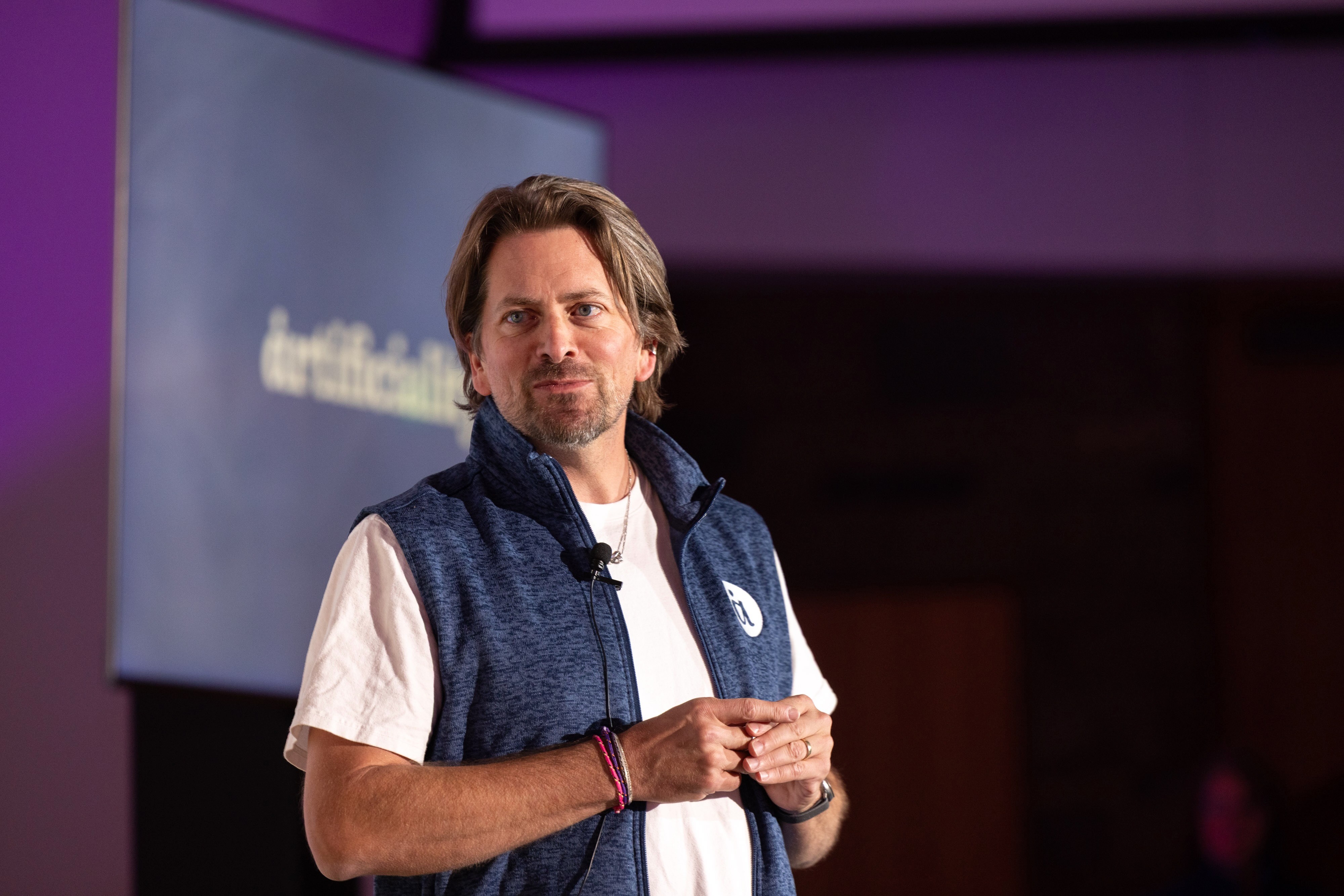
Keynote: Stay Human
Keynote:
Stay Human
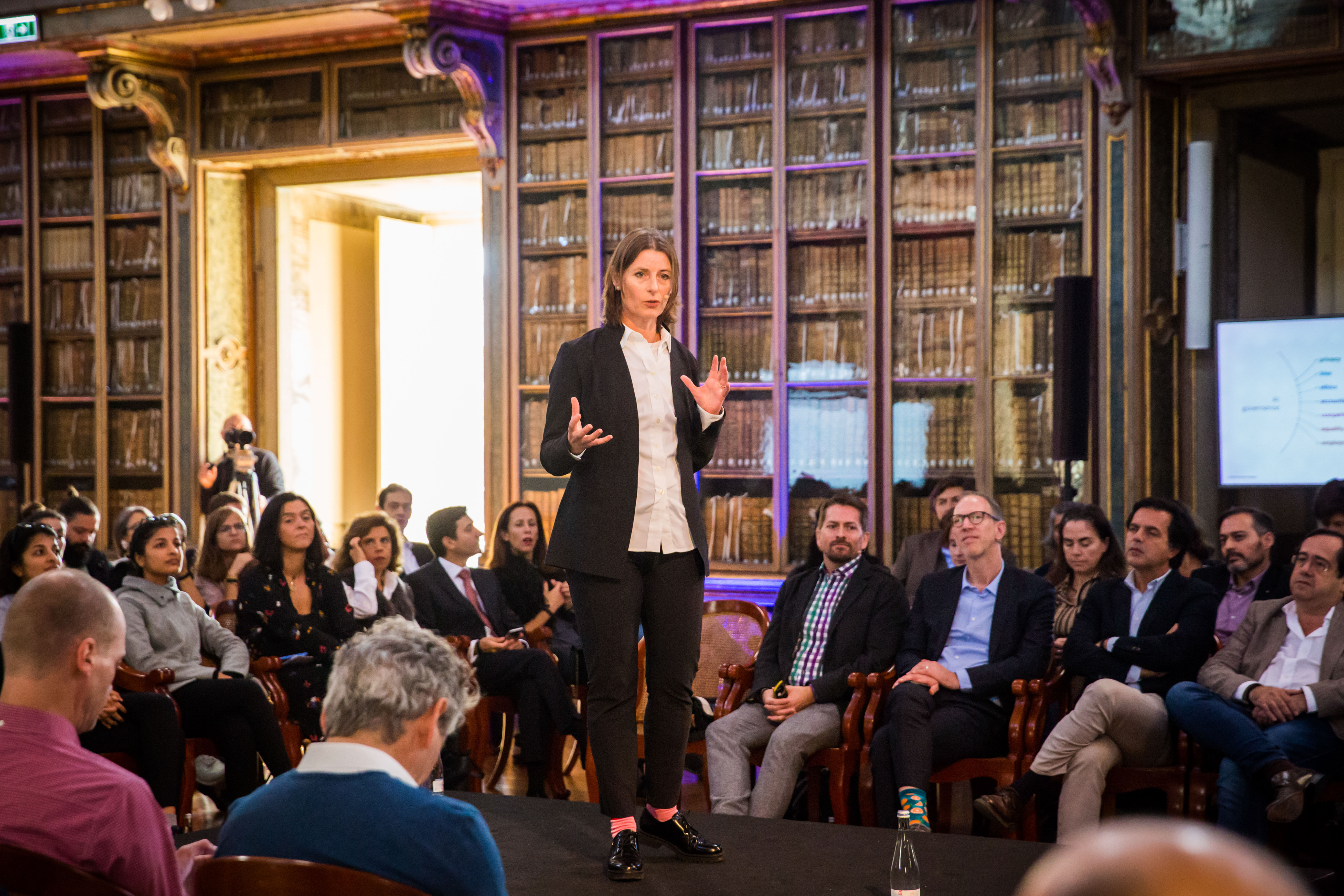
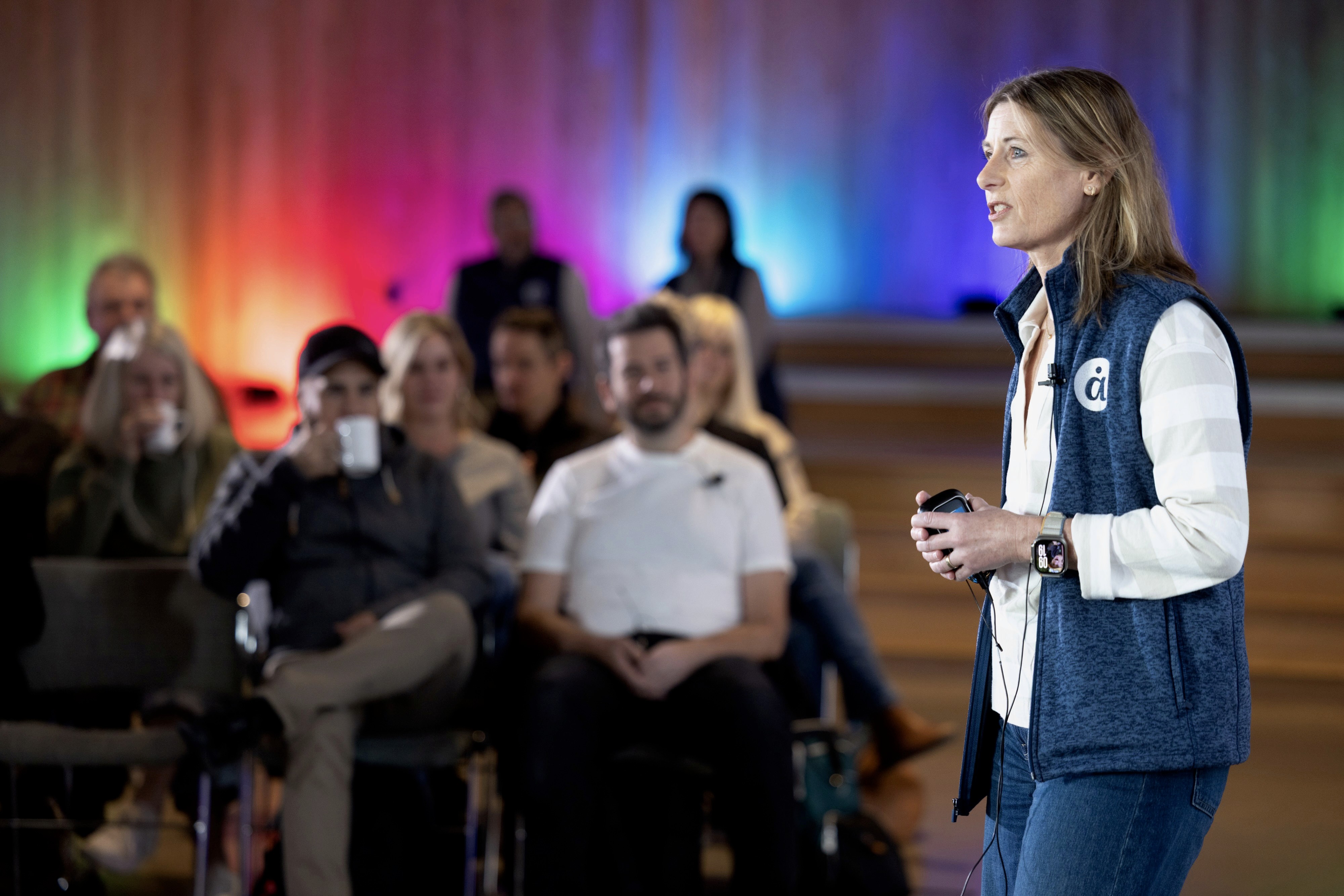
The real question isn't about AI. It's about you. Working with AI is changing how you think, how you show up for others, and who you become. The question is whether you’re the author of that change.
For the past decade, we've been listening to people describe what happens when AI enters their thinking. Not what AI does—what it does to them. The moments when ideas come easier but feel less your own. When the answer appears but the understanding doesn't follow. When you execute brilliantly and can't explain why.
This keynote makes the invisible visible. We share what we've learned from thousands of stories about the quiet transformation happening in minds across industries. We name what's at stake: not your job, but your authorship—your capacity to remain the one who decides what your thinking is for.
People leave with language for what they've been sensing and the conviction that they get to choose who they become.
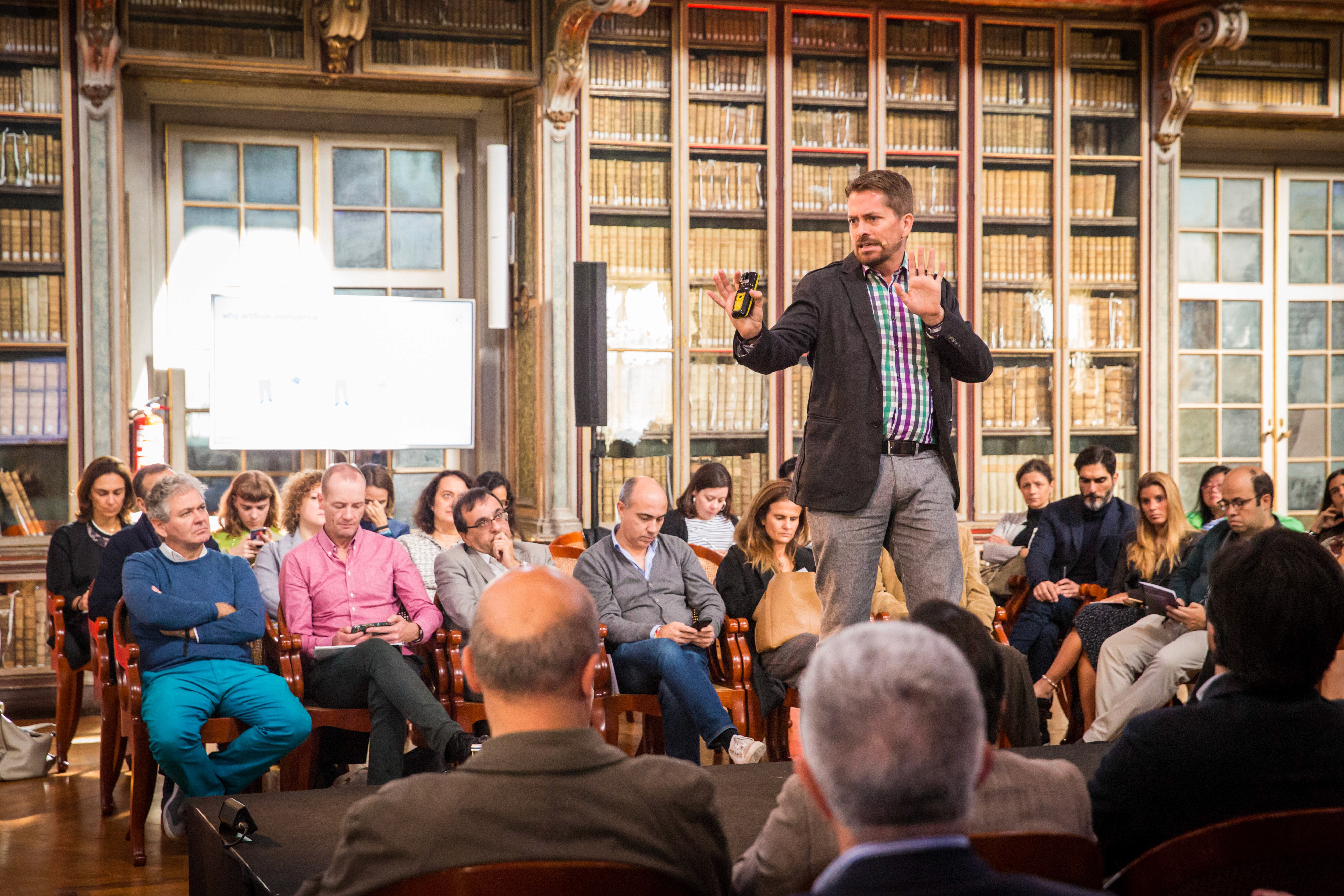
For: Conferences, all-hands gatherings, leadership summits
Format: 45-60 minute keynote with optional Q&A
The real question isn't about AI. It's about you. Working with AI is changing how you think, how you show up for others, and who you become. The question is whether you’re the author of that change.
For the past decade, we've been listening to people describe what happens when AI enters their thinking. Not what AI does—what it does to them. The moments when ideas come easier but feel less your own. When the answer appears but the understanding doesn't follow. When you execute brilliantly and can't explain why.
This keynote makes the invisible visible. We share what we've learned from thousands of stories about the quiet transformation happening in minds across industries. We name what's at stake: not your job, but your authorship—your capacity to remain the one who decides what your thinking is for.
People leave with language for what they've been sensing and the conviction that they get to choose who they become.
For: Conferences, all-hands gatherings, leadership summits
Format: 45-60 minute keynote with optional Q&A
The Inside View: Your Organization's AI Story
Your people are already working with AI. They're figuring out the boundaries on their own—when to use it, when not to, what to tell colleagues, what to keep hidden. Some have handed over judgment calls they used to own. Others resist in ways that look like principle but might be fear. Most are somewhere in between, navigating without a map.
You're making leadership decisions without visibility into what's actually happening.
Before we arrive, we conduct ethnographic interviews across your teams—not surveys, conversations. We surface the real patterns: where AI enables breakthrough work and where it creates invisible dependency. How different teams solve similar problems. What's shifting in decision-making, creativity, and collaboration that no one has named yet.
Then we reflect your organization's story back to itself.
The keynote isn't about AI in general. It's about AI here—in your culture, your workflows, your people's minds. Your teams hear their own stories reflected back, gain language for dynamics they're living but haven't seen clearly, and open a conversation most organizations haven't known how to have.
For: Leadership teams ready to see clearly
Format: Pre-engagement interviews + 90-minute diagnostic keynote + facilitated discussion
Your people are already working with AI. They're figuring out the boundaries on their own—when to use it, when not to, what to tell colleagues, what to keep hidden. Some have handed over judgment calls they used to own. Others resist in ways that look like principle but might be fear. Most are somewhere in between, navigating without a map.
You're making leadership decisions without visibility into what's actually happening.
Before we arrive, we conduct ethnographic interviews across your teams—not surveys, conversations. We surface the real patterns: where AI enables breakthrough work and where it creates invisible dependency. How different teams solve similar problems. What's shifting in decision-making, creativity, and collaboration that no one has named yet.
Then we reflect your organization's story back to itself.
The keynote isn't about AI in general. It's about AI here—in your culture, your workflows, your people's minds. Your teams hear their own stories reflected back, gain language for dynamics they're living but haven't seen clearly, and open a conversation most organizations haven't known how to have.
For: Leadership teams ready to see clearly
Format: Pre-engagement interviews + 90-minute diagnostic keynote + facilitated discussion
A Custom Summit
A transformational experience inside your walls
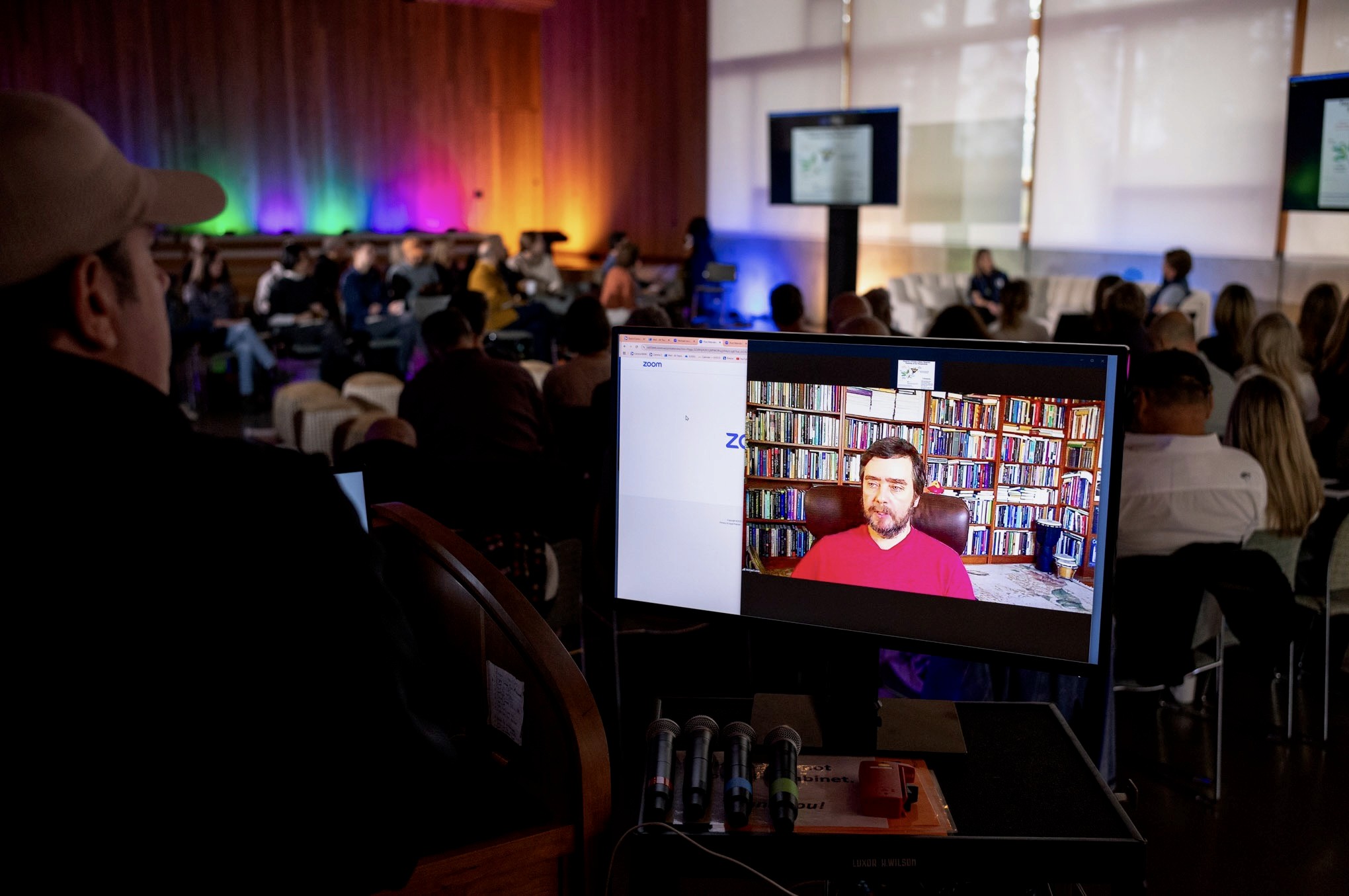
Some questions can't be answered in a meeting. They need space, honesty, and the right conditions for people to think together about what's actually happening.
We design that space inside your organization.
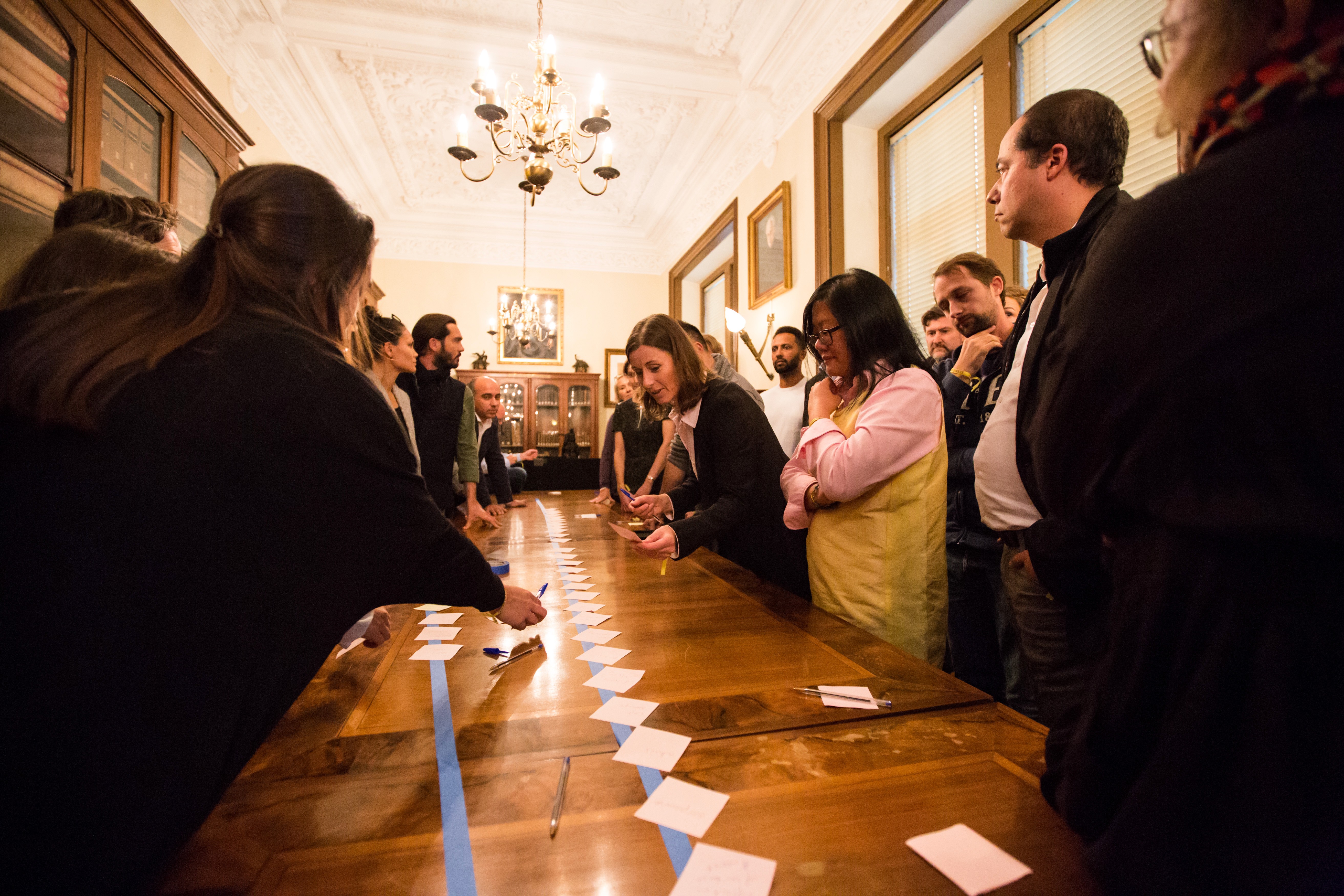
A full day (or more) of structured inquiry into how AI is reshaping your work—not the surface conversation about tools and productivity, but the deeper one about thinking, judgment, and what you can become.
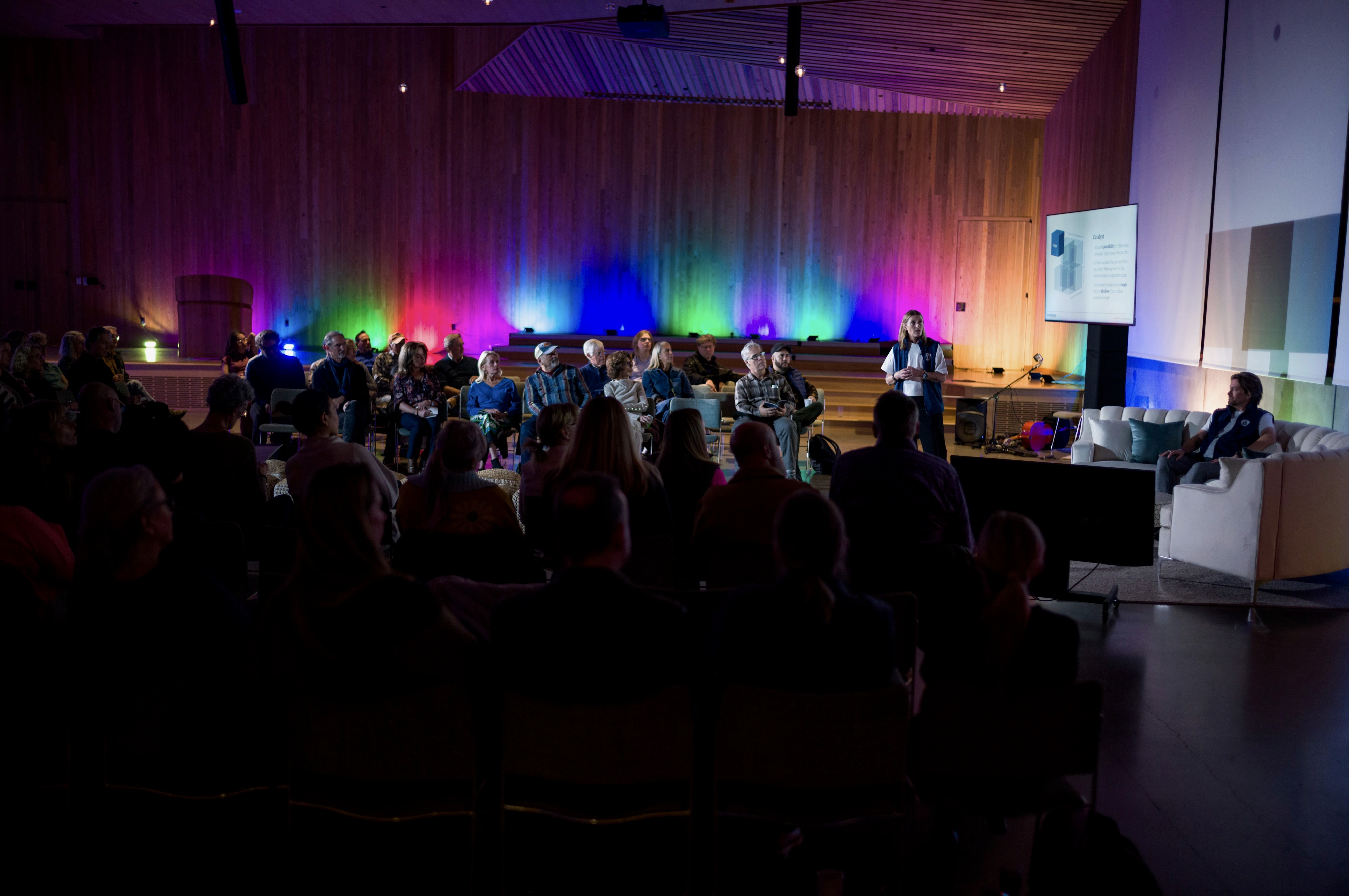
We bring the methods that have made our annual Summit transformational: frameworks that make invisible dynamics visible, exercises that surface what people have been carrying alone, facilitated dialogue that builds shared understanding.
People who've experienced our Summit use words like "transformational," "the best intellectual experience I can remember," "I found my tribe."
We bring that experience inside your walls, adapted to your context, your tensions, your people.
For: Organizations ready to build shared capacity
Format: Full-day immersive experience with pre-engagement research and custom design
A transformational experience inside your walls
Some questions can't be answered in a meeting. They need space, honesty, and the right conditions for people to think together about what's actually happening.
We design that space inside your organization.
A full day (or more) of structured inquiry into how AI is reshaping your work—not the surface conversation about tools and productivity, but the deeper one about thinking, judgment, and what you can become.
We bring the methods that have made our annual Summit transformational: frameworks that make invisible dynamics visible, exercises that surface what people have been carrying alone, facilitated dialogue that builds shared understanding.
People who've experienced our Summit use words like "transformational," "the best intellectual experience I can remember," "I found my tribe."
We bring that experience inside your walls, adapted to your context, your tensions, your people.
For: Organizations ready to build shared capacity
Format: Full-day immersive experience with pre-engagement research and custom design
Who We Work With
Organizations designing for who their people are becoming














What They Say
"With discussions around AI often centered on efficiency or technicalities, it was valuable to go deeper and discuss how it influences leadership, human systems, and organizational readiness."
— Brighid Kelly, Chief People Officer, Transpower NZ
"Helen and Dave delivered a uniquely engaging session that addressed AI's technical and moral complexity. Everyone came away more optimistic about the role AI will play in their business."
— Zazie Pence, The New York Times
“I have been involved in executive development and digital transformation for a number of years and can safely say that Helen and Dave's ability to make AI simple and accessible is outstanding. They break down technical barriers so executives can understand new strategic opportunities and the extent to which machines will change people and the way we work.”
— Paulo Pisano, Chief People Officer, Galp
"The fascinating thing about you is that you’re always at least two or three years ahead of what everyone else is talking about."
— Dave Copps, CEO, Worlds
“Helen and Dave have a unique understanding of AI technology, its business opportunities and its effect on people and society. They have a knack for pulling disparate pieces together in a way that helps people understand the bigger picture.”
— Kevin Delaney, Cofounder and Editor-in-Chief, Charter
“Helen and Dave sparked a candid and vigorous conversation among senior administrators from Oregon colleges and universities during their half-day session. While we've all been inundated with news reports and commentaries about AI, their presentation cut through the noise by helping identify key information and issues for these leaders to wrestle with.”
— Ben Cannon, Executive Director, Oregon Higher Education Coordinating Commission
“Helen and Dave have a unique ability to describe what it means to be human in the age of AI. They prompt an audience to think beyond the technology and to consider how technology can be both humanizing and dehumanizing. They are masters in translating complex issues into compelling, relatable stories, and theirs was the first presentation about AI that reassured me that, yes, we can do this, a beautiful future is possible with AI.”
— Tim Leberecht, Co-CEO, The House of Beautiful Business
"With discussions around AI often centered on efficiency or technicalities, it was valuable to go deeper and discuss how it influences leadership, human systems, and organizational readiness."
— Brighid Kelly, Chief People Officer, Transpower NZ
"Helen and Dave delivered a uniquely engaging session that addressed AI's technical and moral complexity. Everyone came away more optimistic about the role AI will play in their business."
— Zazie Pence, The New York Times
“I have been involved in executive development and digital transformation for a number of years and can safely say that Helen and Dave's ability to make AI simple and accessible is outstanding. They break down technical barriers so executives can understand new strategic opportunities and the extent to which machines will change people and the way we work.”
— Paulo Pisano, Chief People Officer, Galp
"The fascinating thing about you is that you’re always at least two or three years ahead of what everyone else is talking about."
— Dave Copps, CEO, Worlds
“Helen and Dave have a unique understanding of AI technology, its business opportunities and its effect on people and society. They have a knack for pulling disparate pieces together in a way that helps people understand the bigger picture.”
— Kevin Delaney, Cofounder and Editor-in-Chief, Charter
“Helen and Dave sparked a candid and vigorous conversation among senior administrators from Oregon colleges and universities during their half-day session. While we've all been inundated with news reports and commentaries about AI, their presentation cut through the noise by helping identify key information and issues for these leaders to wrestle with.”
— Ben Cannon, Executive Director, Oregon Higher Education Coordinating Commission
“Helen and Dave have a unique ability to describe what it means to be human in the age of AI. They prompt an audience to think beyond the technology and to consider how technology can be both humanizing and dehumanizing. They are masters in translating complex issues into compelling, relatable stories, and theirs was the first presentation about AI that reassured me that, yes, we can do this, a beautiful future is possible with AI.”
— Tim Leberecht, Co-CEO, The House of Beautiful Business
Reach Out to Design Your Experience
Bring the Artificiality Institute to Your Organization
Email: hello@artificialityinstitute.org
1-541-215-4350